Engineer Program
Program upgrade skill di bidang engineering, dari dasar hingga mahir.
Spesial Program
Program khusus melalui platform mitra resmi dokter mekanik academy seperti Udemy, Prakerja, dan Kampus Merdeka.

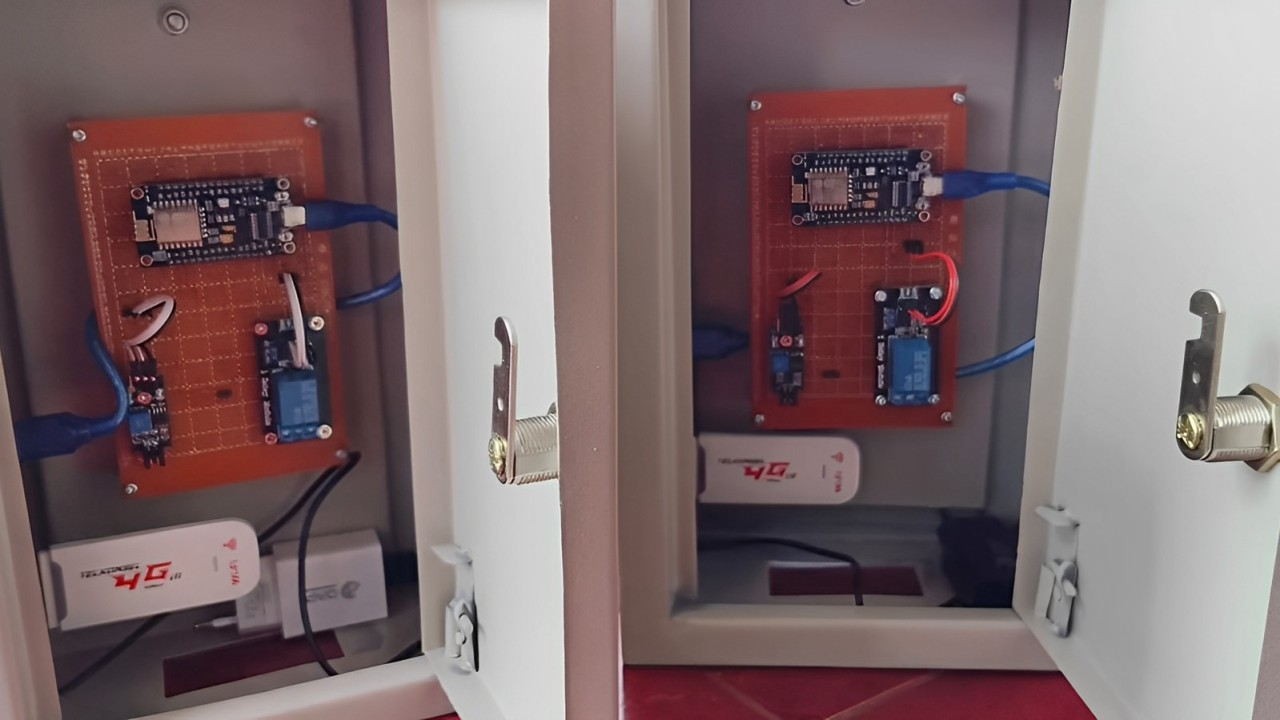
Indonesia is a country rich in natural resources, with a tropical climate that provides enormous potential in various agrarian sectors, including agriculture, livestock, plantations, food crops, and forestry. In Desa Geresik, Kecamatan Jamanis, Kabupaten Tasikmalaya, the primary livelihood revolves around farming and agricultural labor. However, the profits from rice farming, the main crop, are often inadequate to cover production costs, sometimes even leading to losses.
To address this challenge, the proposed solution focuses on introducing innovative technologies that can offer alternative income streams without disrupting the traditional farming practices. One such solution is the development of a greenhouse system with automatic irrigation based on the Internet of Things (IoT). This system will support the cultivation of curly red chili (cabai keriting), a commodity that holds significant potential in Desa Geresik.
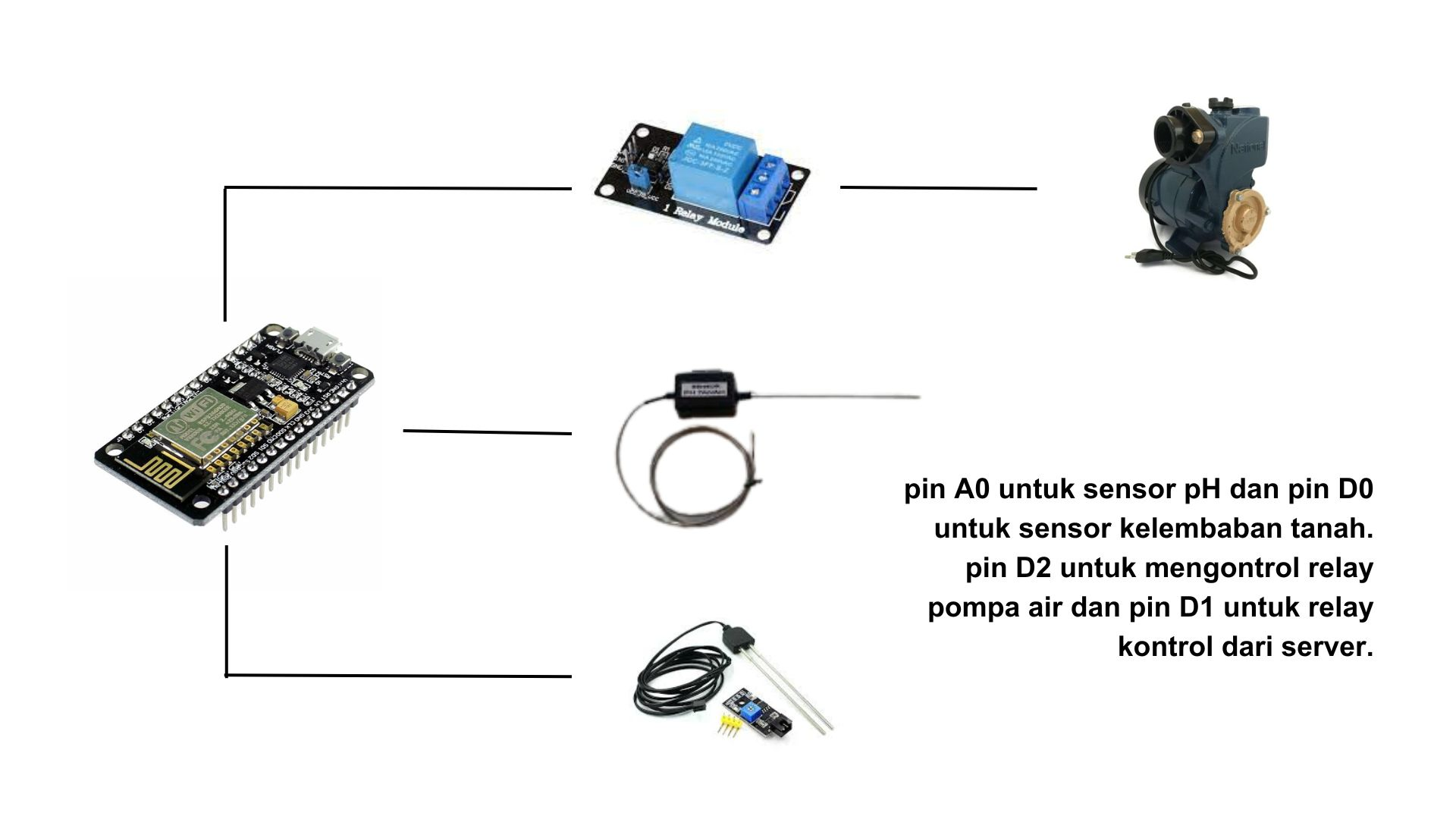
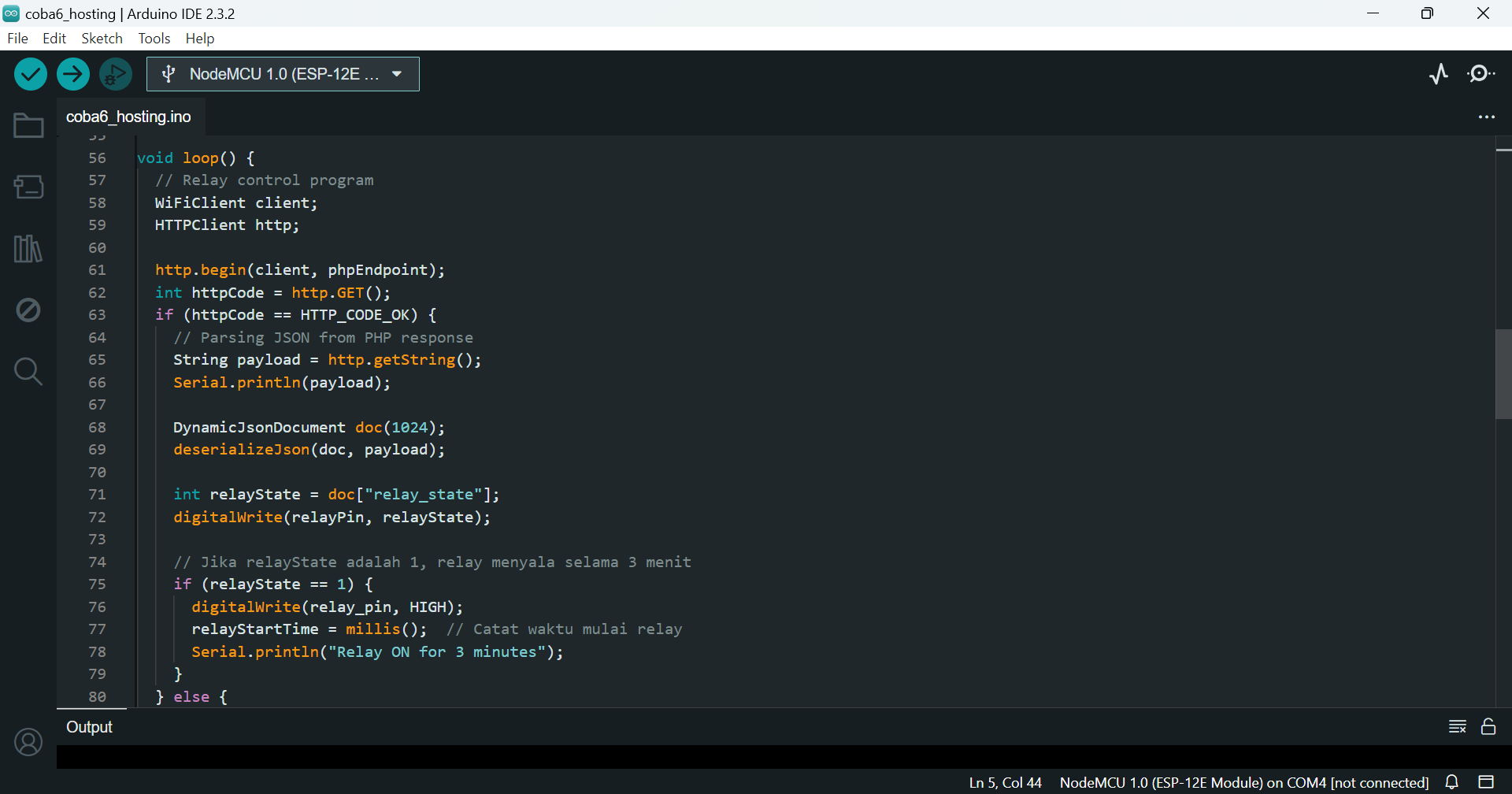
The ESP8266-based IoT system is a key component of this innovation, designed to automate irrigation and enhance agricultural efficiency. Here’s a breakdown of the code that powers this system:
WiFi Connection:
The ESP8266 connects to the WiFi network (ssid = "Ecosphere Innovations", password = "Inovasikami") to enable communication with a remote PHP server that controls the relay and logs sensor data.
pH Sensor:
Soil Moisture Sensor:
Water Pump Relay Control:
Relay Control via PHP Server:
Server Communication for Data Logging:
Loop with Timed Actions:
The greenhouse with automatic irrigation system, developed for Desa Geresik, is expected to enhance agricultural productivity and provide alternative income through chili cultivation. As a form of community service, the project has been donated to the local farmers, with plans for further enhancements using Artificial Intelligence (AI). This next step will involve real-time monitoring and analysis of plant needs, optimizing water use and increasing yields even further.
This IoT-based innovation is a model for modernizing traditional agricultural practices in rural Indonesia. It combines cutting-edge technology with local expertise to improve farming efficiency, crop yields, and economic prospects. Through the introduction of this automatic irrigation system, Desa Geresik has the opportunity to become a leader in smart farming, with chili farming serving as a viable alternative income source alongside rice cultivation. The future potential for integrating AI-driven farming solutions promises even greater advancements in local agricultural practices.
0 Orang Menyukai Karya Ini