Engineer Program
Program upgrade skill di bidang engineering, dari dasar hingga mahir.
Spesial Program
Program khusus melalui platform mitra resmi dokter mekanik academy seperti Udemy, Prakerja, dan Kampus Merdeka.
Program upgrade skill di bidang engineering, dari dasar hingga mahir.
Program khusus melalui platform mitra resmi dokter mekanik academy seperti Udemy, Prakerja, dan Kampus Merdeka.
Sertifikasi BNSP
Pilih pelatihan dan sertifikasi Nasional BNSP di bidang engineering, rekayasa, manufaktur, dan subsetnya
Lihat Semua
Sertifikasi Internasional
Pilih pelatihan dan sertifikasi Internasional di bidang engineering, rekayasa, manufaktur, dan subsetnya
Lihat Semua

Temukan inspirasi dari hasil karya dan pengalaman para alumni dr. Mekanik Academy.

dr. Mekanik Academy tersedia di berbagai platform mitra resmi untuk memudahkan akses pelatihan Anda.

Jelajahi produk dan layanan lainnya dari ekosistem dr. Mekanik untuk solusi bisnis yang komprehensif.

Membantu kamu belajar, berkarya, dan membuat proyek engineering secara instan dan presisi!
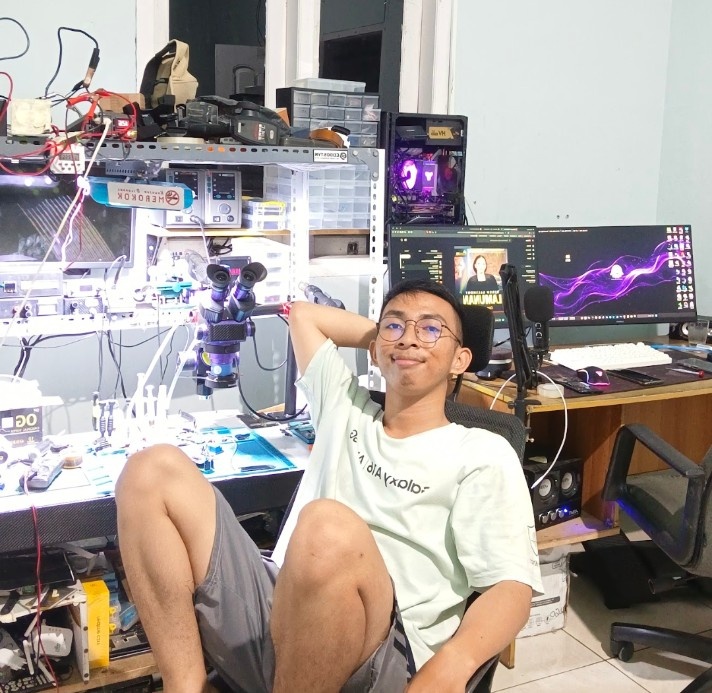 Oleh: Sha'Bani Septriansyah
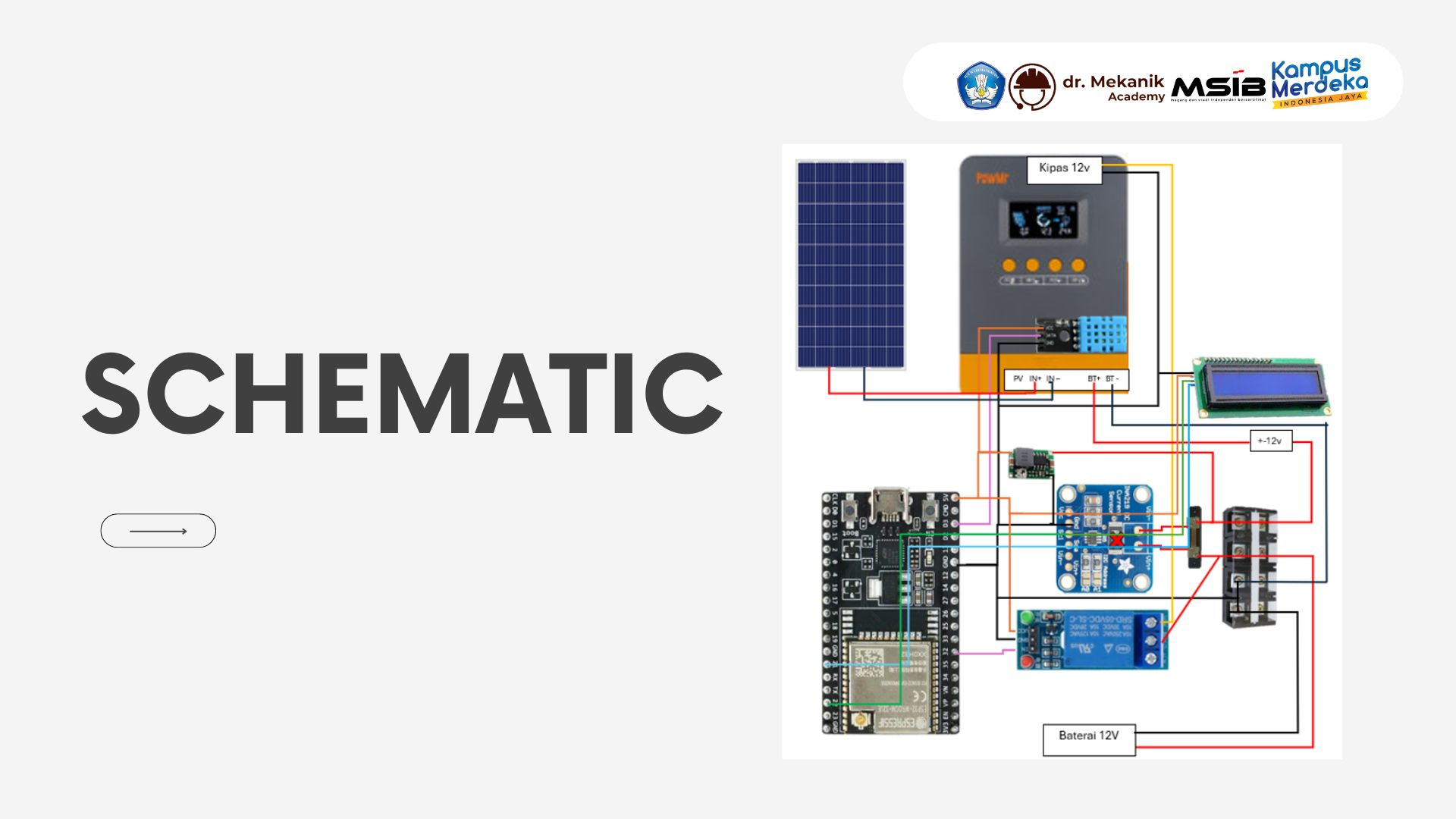
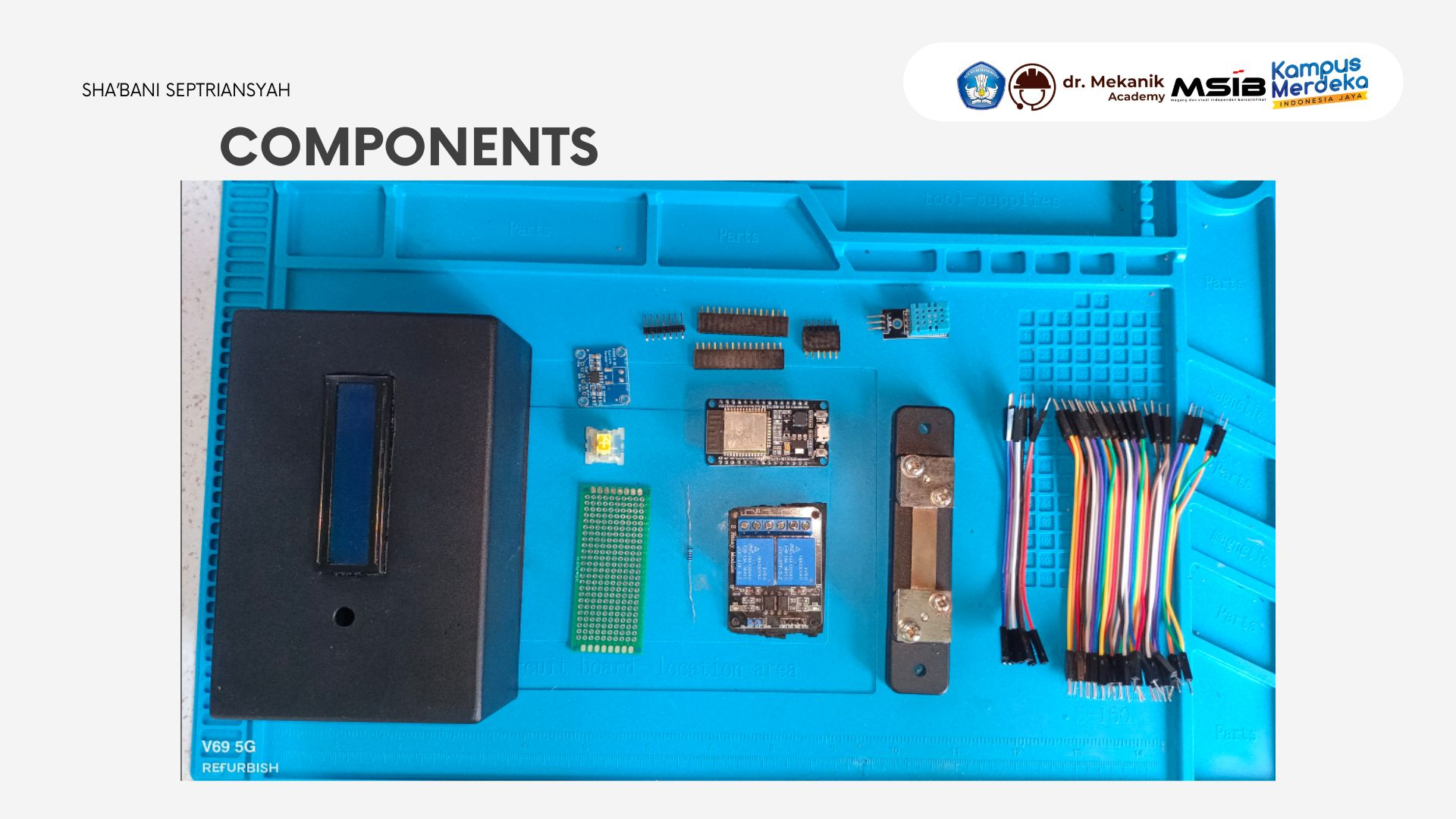
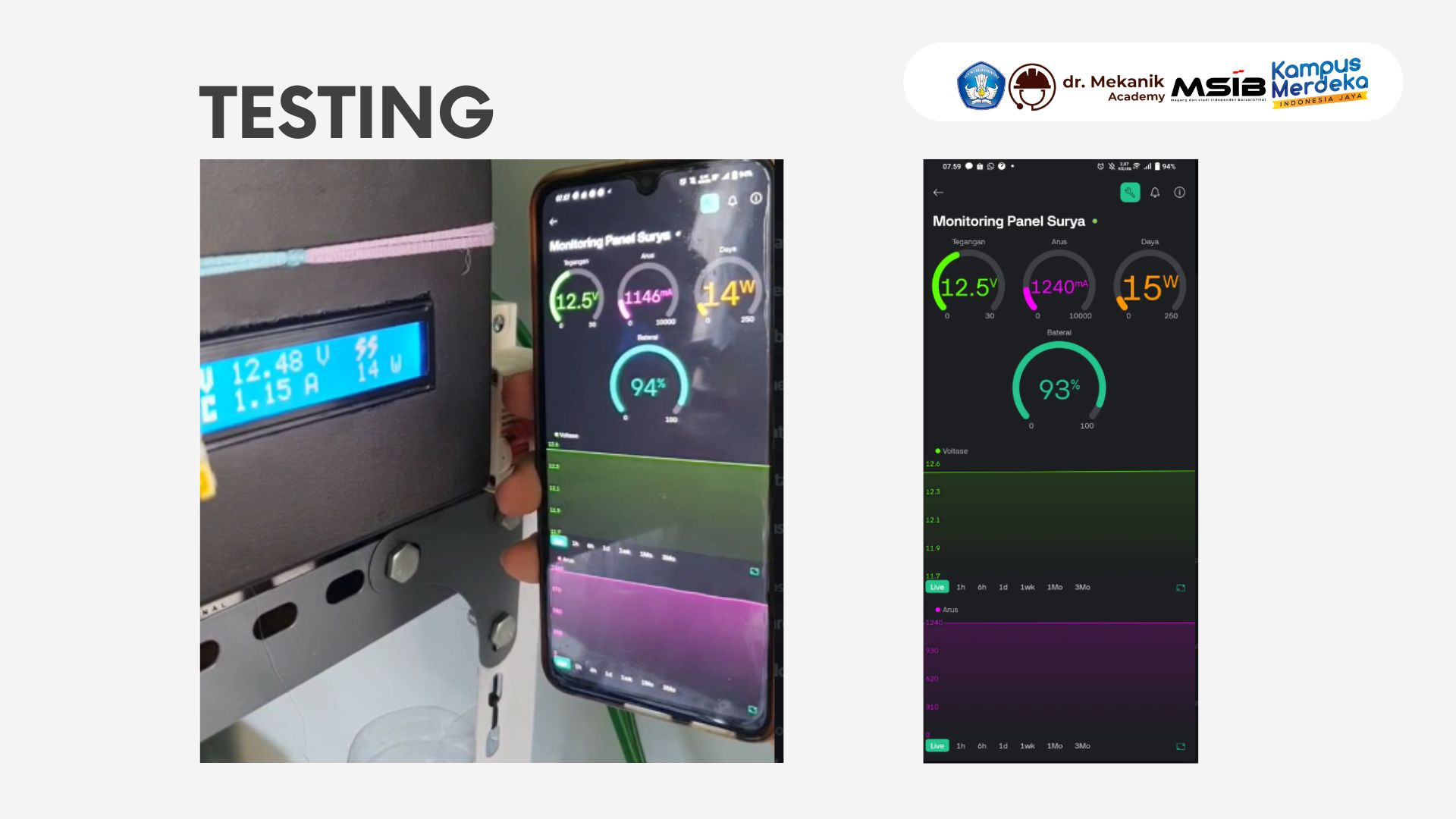
The IoT-Based Solar Panel Monitoring Project aims to monitor the performance and condition of a solar power generation system in real-time. This system utilizes an ESP32 to collect data from various sensors, such as temperature, voltage, and current. The received data is transmitted and displayed via the Blynk platform or shown on a 16x2 I2C LCD.
Project Description
The system is built using the ESP32 DEVKIT V1 microcontroller, which serves as the brain of the system. It collects data from various sensors to monitor the key parameters of solar panels, including voltage, current, and temperature. Data is displayed in real-time on an LCD screen and the Blynk app, making it accessible remotely. Additionally, the system includes automation features to protect the solar charge controller, or SCC, by activating a cooling fan when the temperature exceeds 40°C.
Components
The key components include:
Wiring

Main Features

IF SCC TEMP > 40C

Fan Cooling Turn ON


Benefits and Outcomes
Conclusion
This IoT-based solar panel monitoring system ensures efficient and reliable solar panel management. It reduces overheating risks and improves performance, supporting sustainable energy use.
0 Orang Menyukai Karya Ini
Kantor Pusat:
Jalan Banda No.30 Kota Bandung, Jawa Barat
Kantor Operasional:
Jalan Sawangan Permai B17, Kota Depok, Jawa Barat
PT Rezeki Mekanik Indonesia
Copyright © 2026 Indonesia AI. All Rights Reserved.